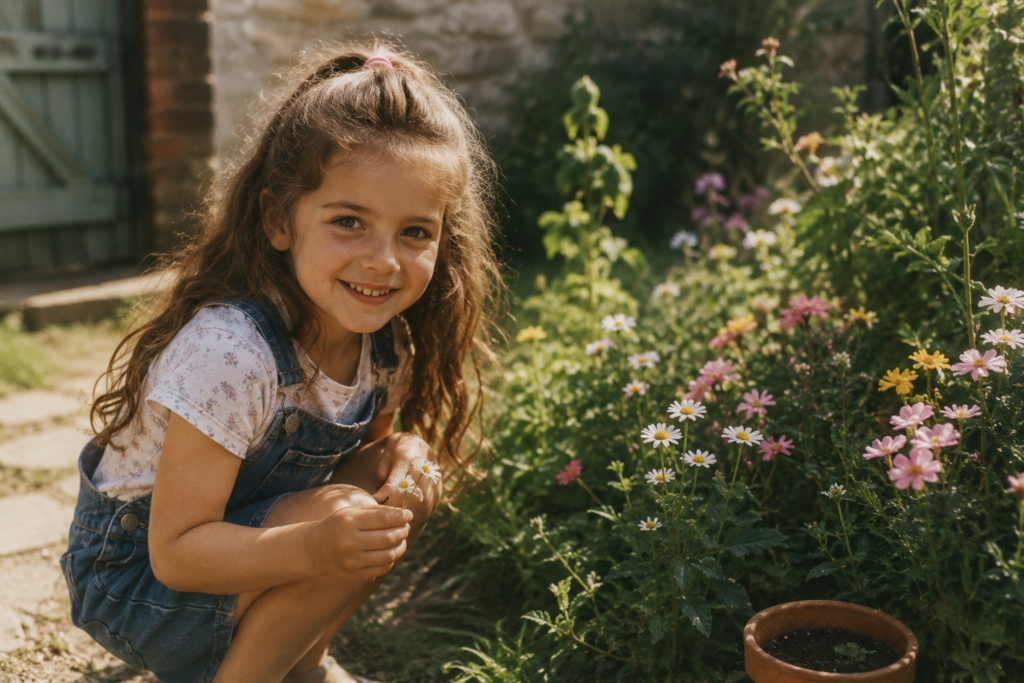
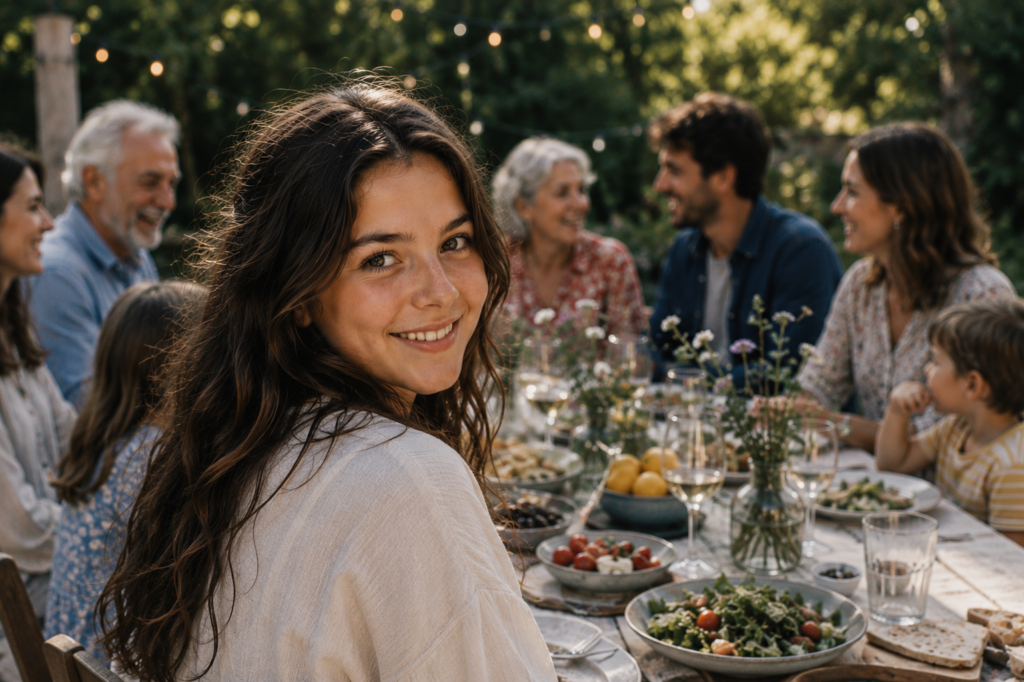
Julia Rose was remembered for the warmth she brought into ordinary moments. She had a quiet way of making people feel welcome, whether they had known her for years or had only just met her. She grew up surrounded by family, books, music, and long walks outdoors. From an early age, Julia was curious about people and the stories they carried with them. She listened carefully, remembered small details, and often noticed things that others passed by. As she grew older, that curiosity became one of the defining parts of her life. Julia valued meaningful work, but she never measured life only by achievements. What mattered most to her were the relationships she built along the way — family dinners, spontaneous visits, holidays together, conversations that lasted far longer than anyone had planned, and the simple comfort of being around people she loved. Friends remember her as thoughtful, dependable, and quietly funny. She rarely needed to be the centre of attention, but somehow her presence could change the atmosphere of a room. She had a gift for making difficult days feel lighter and good days feel worth remembering. Julia loved creating small traditions. Some lasted for years, others happened only once, but all of them became part of the stories people continued to tell about her. She believed that memories were often made in ordinary places — around a kitchen table, during a walk, in the garden, on a journey, or simply while sharing a cup of coffee. Family remained at the heart of Julia’s life. She cared deeply about staying connected and made time for the people who mattered to her. Birthdays, celebrations, and family gatherings were important, but so were the quieter moments in between. She understood that being present was often more meaningful than saying the perfect thing. Over the years, Julia collected photographs, letters, recipes, and small objects connected to people and places she loved. To someone else they might have seemed ordinary, but to her they carried stories. She often said that the smallest things could bring an entire moment back. In later years, she continued to find happiness in familiar routines: morning light through the window, favorite music playing in the background, flowers appearing in spring, visits from family and friends, and the comfort of places filled with memories. Julia’s life was not defined by one extraordinary event. It was shaped by thousands of smaller moments — kindness offered without being asked, conversations remembered years later, laughter at the right time, and the feeling people had when they were with her. Those who knew Julia remember not only what she did, but how she made them feel. Her story continues through the people who loved her, the photographs they kept, the traditions they still follow, and the memories they continue to share.